

| Quick answer
For oil and gas fasteners in the Gulf, hot dip galvanizing and PTFE fluoropolymer systems do most of the heavy lifting. HDG gives thick, sacrificial protection at low cost. PTFE systems add controlled torque and clean breakout after years of service, which is why flange stud bolts wear them. Plain zinc electroplating is an indoor finish; it will not last outdoors here. Zinc flake coatings fill the gap for high-strength bolts that cannot be galvanized. |
A fastener specification that works in northern Europe can fail early in the Gulf. Summer metal temperatures past 60 degrees, humidity that condenses salt-laden moisture onto every surface overnight, chlorides in the air near the coast and sulfur compounds around gas plants: the environment attacks fasteners from the first day. The coating decision deserves the same attention as the size and grade, and it usually gets less.
Hot dip galvanizing: the structural baseline
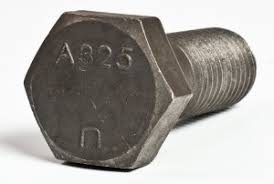
Dip the fastener in molten zinc and it comes out with a coating typically around 50 to 85 microns thick, bonded to the steel and sacrificial: the zinc corrodes before the steel does, even at scratches. Standards to quote are ISO 10684 or ASTM F2329 for the coating process.
Two practical points. Nuts for galvanized assemblies are tapped oversize after coating, so bolts and nuts must be ordered as matched assemblies, never mixed from separate stock. And galvanizing has a strength ceiling: it is routine for class 8.8, needs controlled processing and testing for 10.9, and is off the table for 12.9 because the acid pickling stage can charge high-strength steel with hydrogen and set up delayed, brittle failure.
Zinc electroplating: fine indoors, wrong outdoors
Electroplated zinc runs 5 to 15 microns, a fraction of HDG. It looks clean, costs little and protects well enough inside dry plant rooms and warehouses. Outdoors on the coast, that thin layer goes quickly and red rust follows. Its salt spray life is measured in hundreds of hours where HDG and PTFE systems reach into the thousands. Treat it as an indoor finish and it will not disappoint you.
Zinc flake: the high-strength answer
Zinc flake coatings, sold under names like Geomet and Delta Protekt, are painted-and-baked layers of zinc and aluminium flakes about 8 to 12 microns thick. The process involves no electrolysis and no acid bath, so there is no hydrogen embrittlement risk. That makes zinc flake the default corrosion coating for class 10.9 and 12.9 bolts. The coatings can also be supplied with integrated lubrication for a consistent friction coefficient, which torque-controlled assembly work appreciates.
PTFE fluoropolymer: the flange specialist
The blue and green stud bolts on every refinery flange are PTFE fluoropolymer coated, usually over a zinc or phosphate base layer, at around 20 to 30 microns total. Xylan is the brand name that became the generic. The corrosion protection is strong, but the real selling point is friction: the coating delivers a low, repeatable friction coefficient, so torque converts to bolt preload predictably. Just as important, joints come apart cleanly at turnaround time. Anyone who has cut seized bare-steel stud bolts off a flange understands what that is worth.
Side by side
| Coating | Typical thickness | Corrosion resistance | Relative cost | Fits best | Watch out for |
| Hot dip galvanizing | 50-85 microns | High, sacrificial | Low-mid | Structural bolting, outdoor steelwork | Oversize nuts needed; not for 12.9 |
| Zinc electroplating | 5-15 microns | Low | Lowest | Indoor, dry environments | Fails fast outdoors on the coast |
| Zinc flake | 8-12 microns | High | Mid | Class 10.9 and 12.9 bolts | Specify lubricated or plain version |
| PTFE fluoropolymer | 20-30 microns | High, plus low friction | Highest | Flange stud bolts, offshore, turnaround-friendly joints | Coating damage during handling |
Specifying without headaches
A coating line on a purchase order should carry four things: the coating standard, the thickness or class, the lubrication state, and whether nuts are oversize tapped. So not “galvanized M24 bolts” but “M24 x 100 DIN 931, class 8.8, HDG to ISO 10684, supplied as assemblies with class 8 nuts oversize tapped, waxed”. The extra line of text costs nothing. The site delay from mismatched nuts costs a week. Ask for batch certificates on both the fastener and the coating, and keep them; oil and gas clients audit paperwork years after handover.
FAQ
Q: Which coating for coastal UAE sites?
HDG as the structural baseline, PTFE systems where joints must break out cleanly after years of chloride exposure. Not plain zinc plate.
Q: Does HDG change torque values?
Yes. Different friction, different preload at the same torque. Use the coating’s nut factor and specified lubricant, not tables written for plain bolts.
Q: Can 10.9 and 12.9 bolts be galvanized?
10.9 only with controlled processing and testing. 12.9 no; use zinc flake instead.
Q: What are the blue bolts on flanges?
PTFE fluoropolymer coated stud bolts, commonly called Xylan coated. The colour is pigment; the value is consistent friction and clean breakout.